
JUICE THE BLUEBERRY
The Real Cost of “Green” Energy
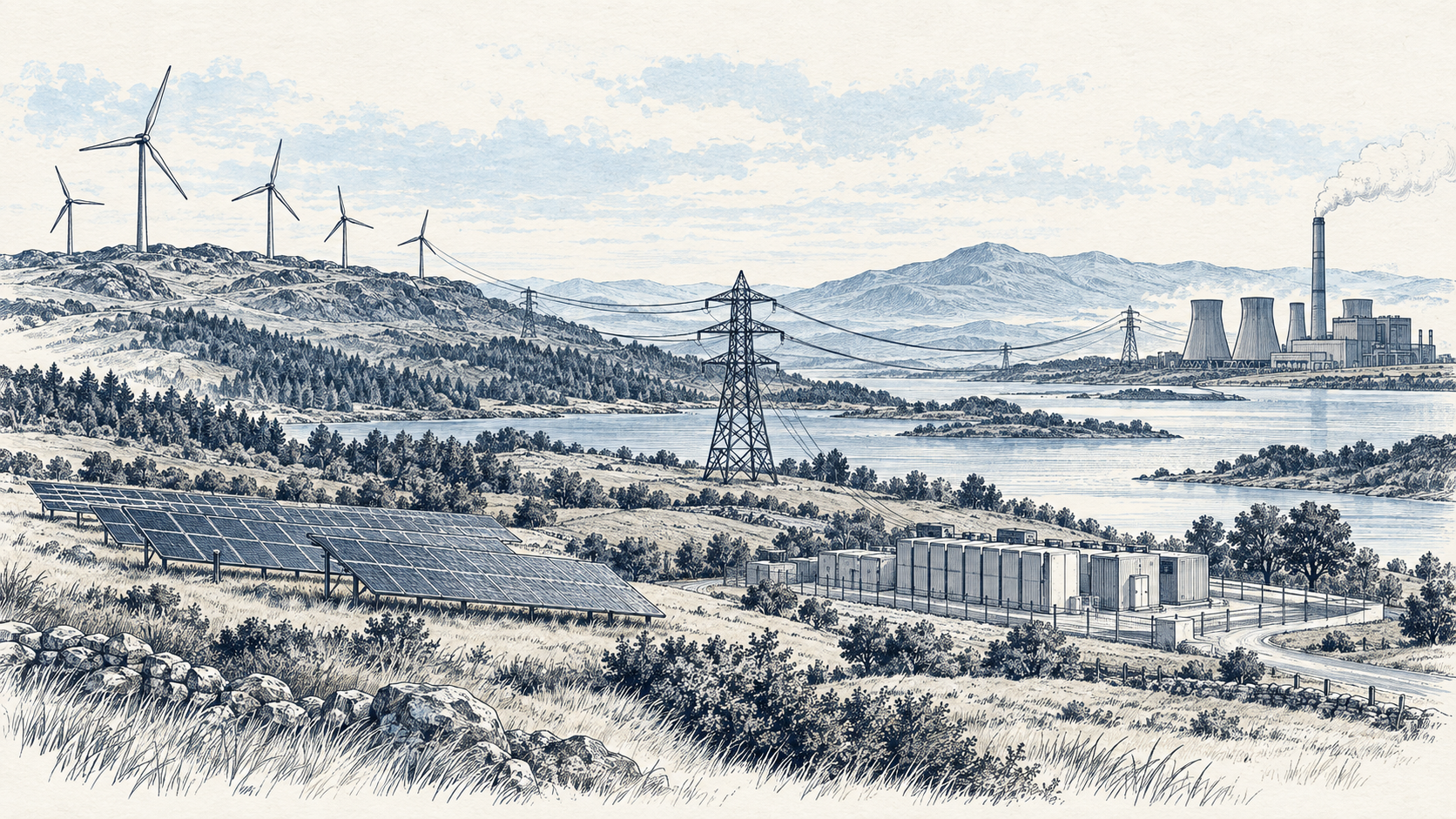
A generator's price is only one part of the electricity system's cost.
A solar farm, wind project, gas plant, or battery can be compared by the cost of its output over its operating life. But a grid needs electricity in particular places and hours, with enough capacity for bad weather, maintenance, and peaks. A single cost per megawatt-hour does not describe the entire system.
The U.S. Energy Information Administration publishes levelized costs for new generation resources and separately discusses the value of electricity those resources provide. Its estimates depend on capital costs, financing, location, expected output, and other assumptions. Comparing technologies by one headline figure can obscure transmission, storage, fuel risk, backup capacity, or the different value of power at noon and after sunset.
Emissions need an equally careful boundary. Building equipment and producing fuel have impacts; so does operating the plant. A lifecycle comparison should state its geography, time period, electricity mix, and method. The material demands of a wind turbine or solar panel are real; so are fuel extraction and combustion for fossil plants. Leaving any one of these outside the boundary can predetermine the answer.
The right question is what a portfolio costs to deliver a specified level of reliability and emissions in a named region. Compare plausible portfolios using the same demand profile, transmission assumptions, firm capacity standard, and financing period. Until that model is specified, “the real cost” is a research agenda, not a single honest price tag.
Sources: EIA, levelized costs and avoided costs in AEO 2026; EIA generation cost methodology.